Discovering the Force
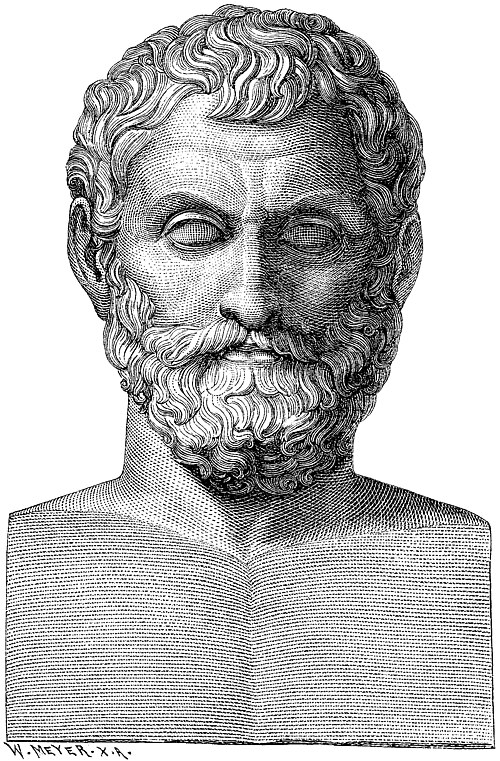
The First Spark
Thales of Miletus observes that amber rubbed with fur attracts feathers and dust — the first recorded observation of electricity, beginning humanity's journey to understand and harness electrical power.
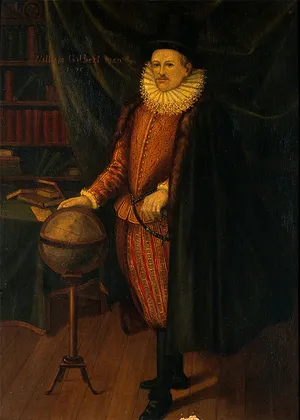
Electricity Gets Its Name
William Gilbert coins the term electricus, derived from the Greek word for amber (ēlektron), founding the scientific study of electricity.
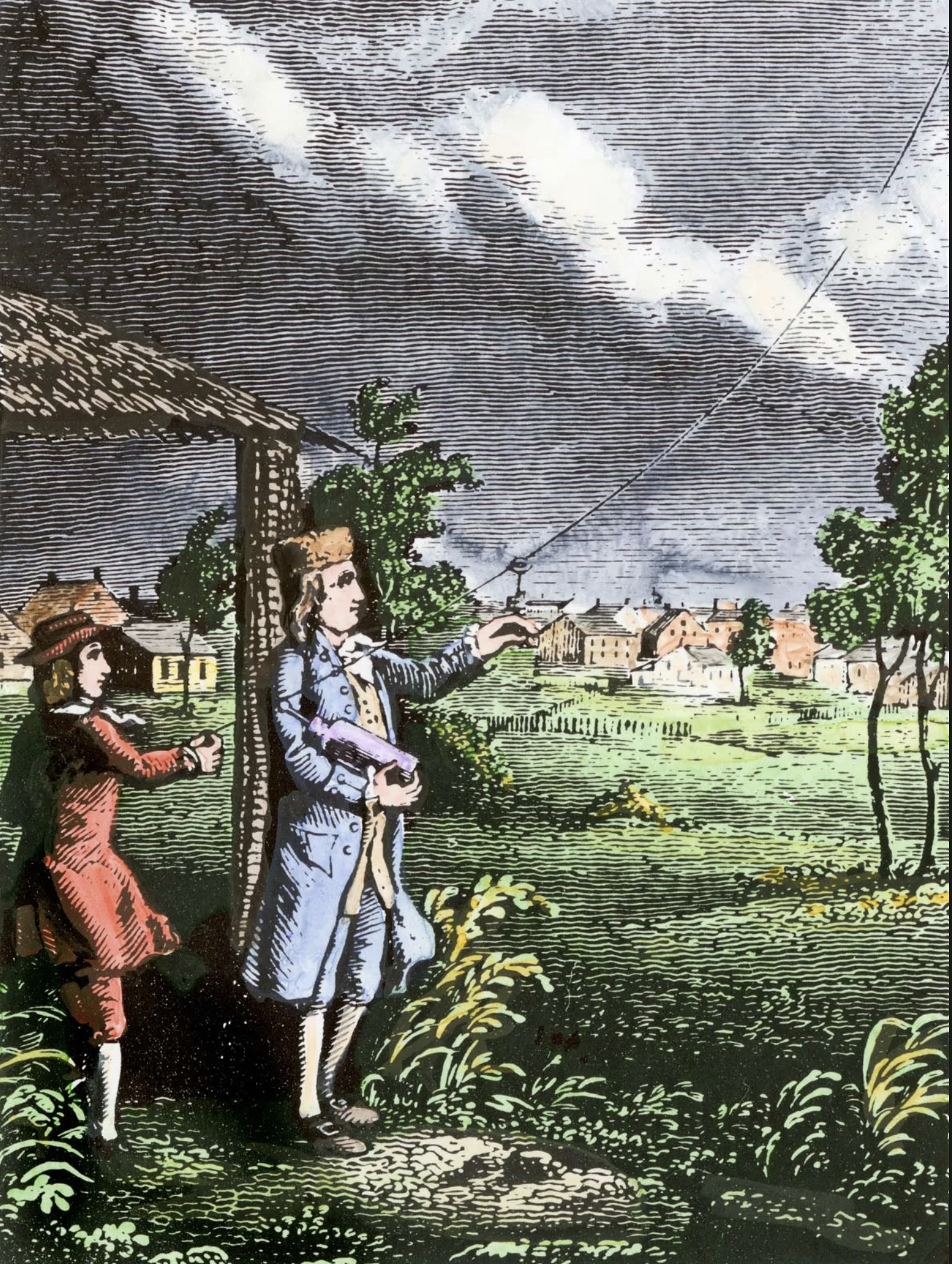
Taming the Storm
Benjamin Franklin demonstrates that lightning is electrical in nature and pioneers the lightning rod, proving electricity exists throughout the natural world.
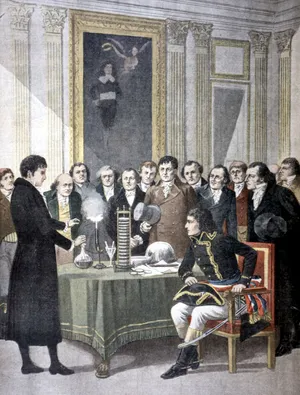
The Power Within
Alessandro Volta invents the first electric battery, creating the first reliable source of continuous electrical current.

The Invisible Connection
Hans Christian Ørsted discovers the relationship between electricity and magnetism, revealing the foundation of electromagnetism.

Harnessing Motion
Michael Faraday discovers electromagnetic induction — the principle behind modern generators, motors, and transformers.
America Gets Wired
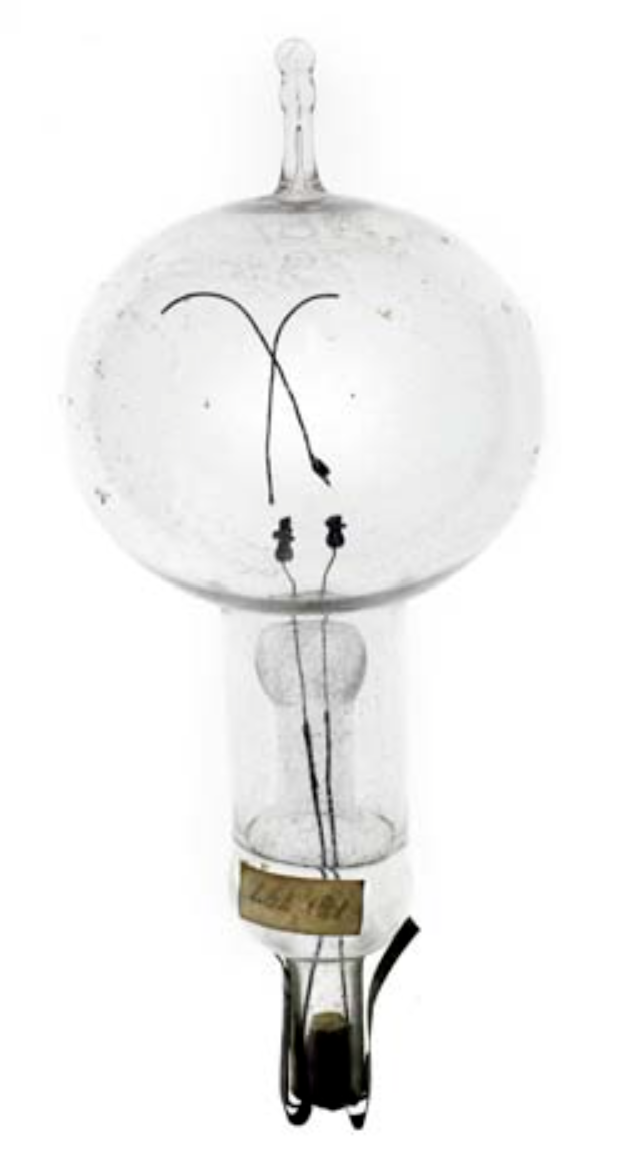
Lighting the World
Thomas Edison develops the practical incandescent light bulb, making electric lighting accessible and changing daily life forever.
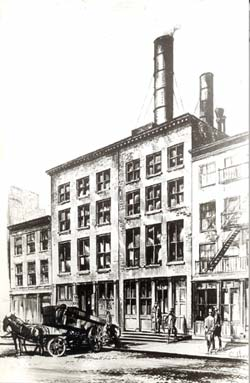
The First Power Station
Edison opens the world's first commercial power station in New York City, delivering electricity to homes and businesses.
The Dawn of American Voltage
Thomas Edison establishes America's first practical electrical system using 110 volts DC. His three-wire distribution system becomes the foundation of America's electrical infrastructure and introduces the first widely adopted American voltage standard.
Edison's original 110-volt design became the ancestor of today's 120/240-volt electrical system — and the origin of our name.
Credit: ETHW (Engineering and Technology History Wiki)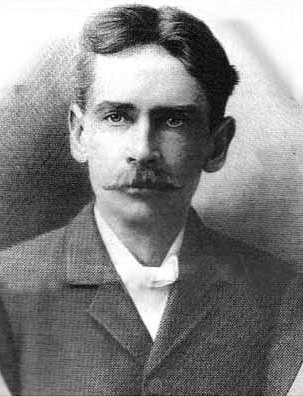
The First Transformer
William Stanley Jr. builds the first practical alternating current transformer, based on Lucien Gaulard and John Dixon Gibbs' 1881 prototype — a precursor to the modern transformer.
_-_DSC06558.JPG)
Tesla's AC Revolution
Nikola Tesla's AC induction motor introduces a new approach to electrical distribution, making long-distance power transmission practical.
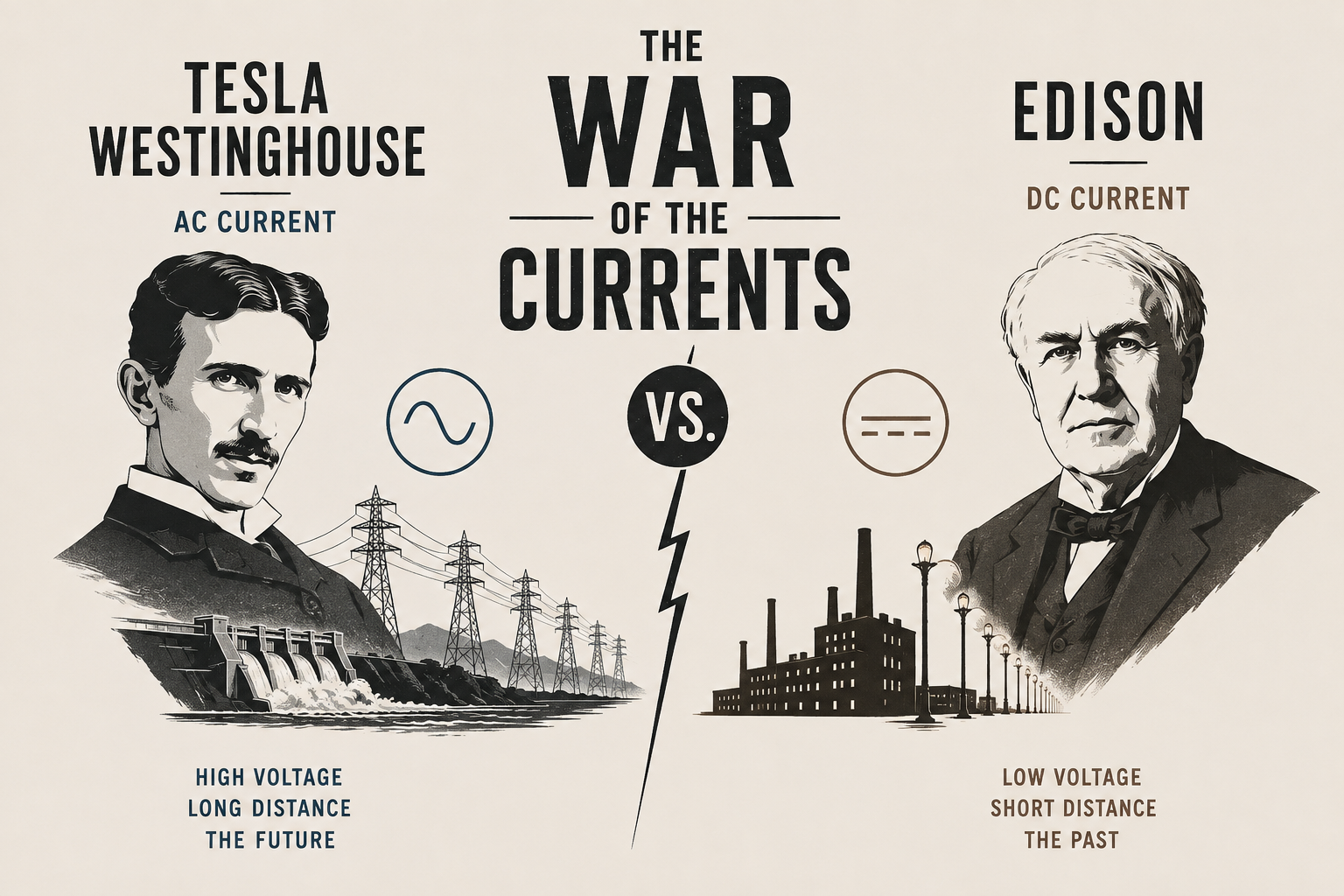
The War of the Currents
Edison and Tesla battle over the future of electricity. AC ultimately prevails, thanks to its ability to efficiently transmit power over long distances.
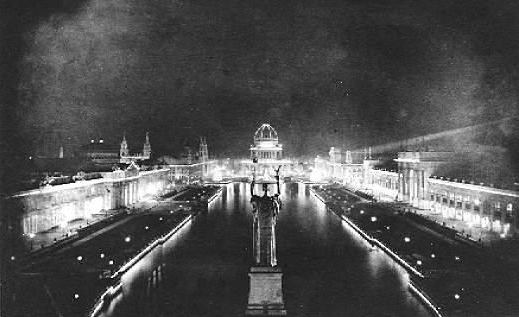
America's Electrical Future
The Chicago World's Fair showcases AC electricity to millions, proving that alternating current can power entire communities.
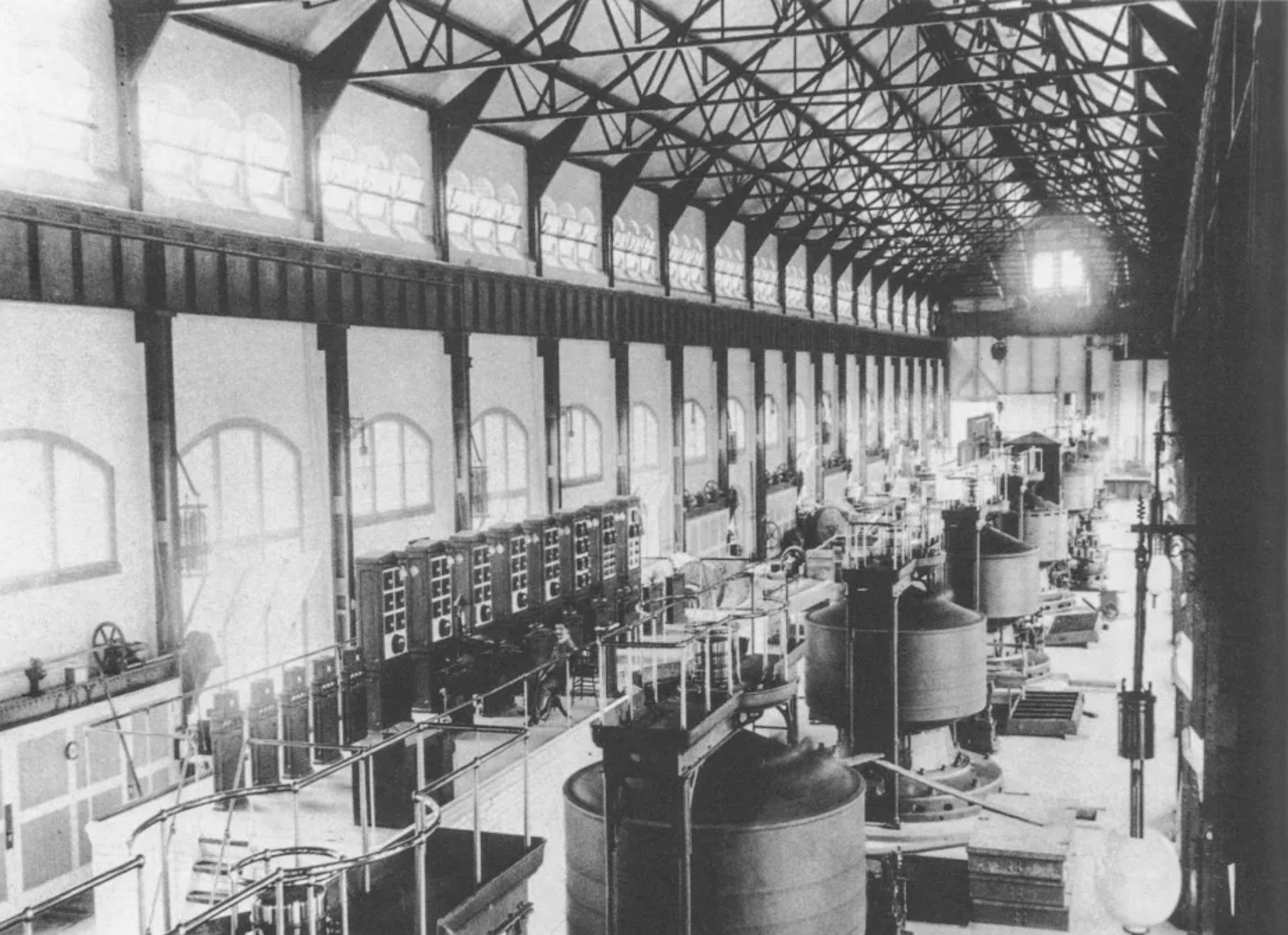
Power from Niagara
The Niagara Falls hydroelectric project demonstrates that large-scale electrical generation can provide power across great distances.
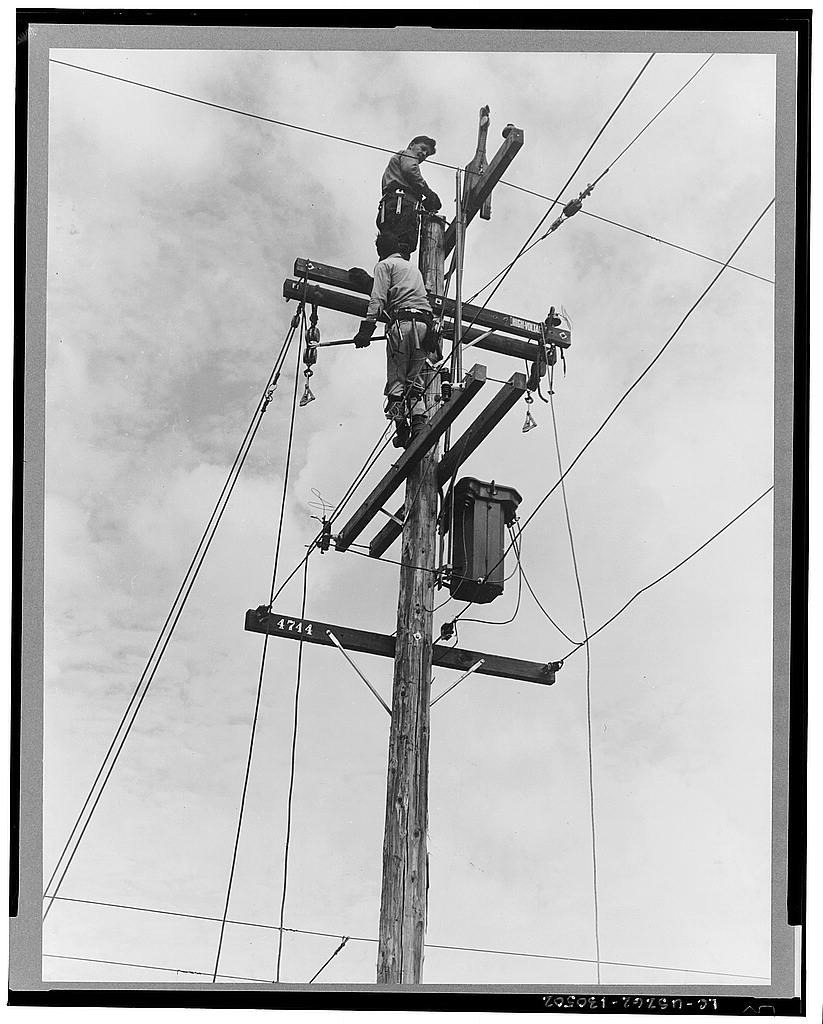
Power to the People
The expansion of rural electrification brings electricity to millions of Americans, transforming homes, farms, and businesses.
The Atomic & Digital Age
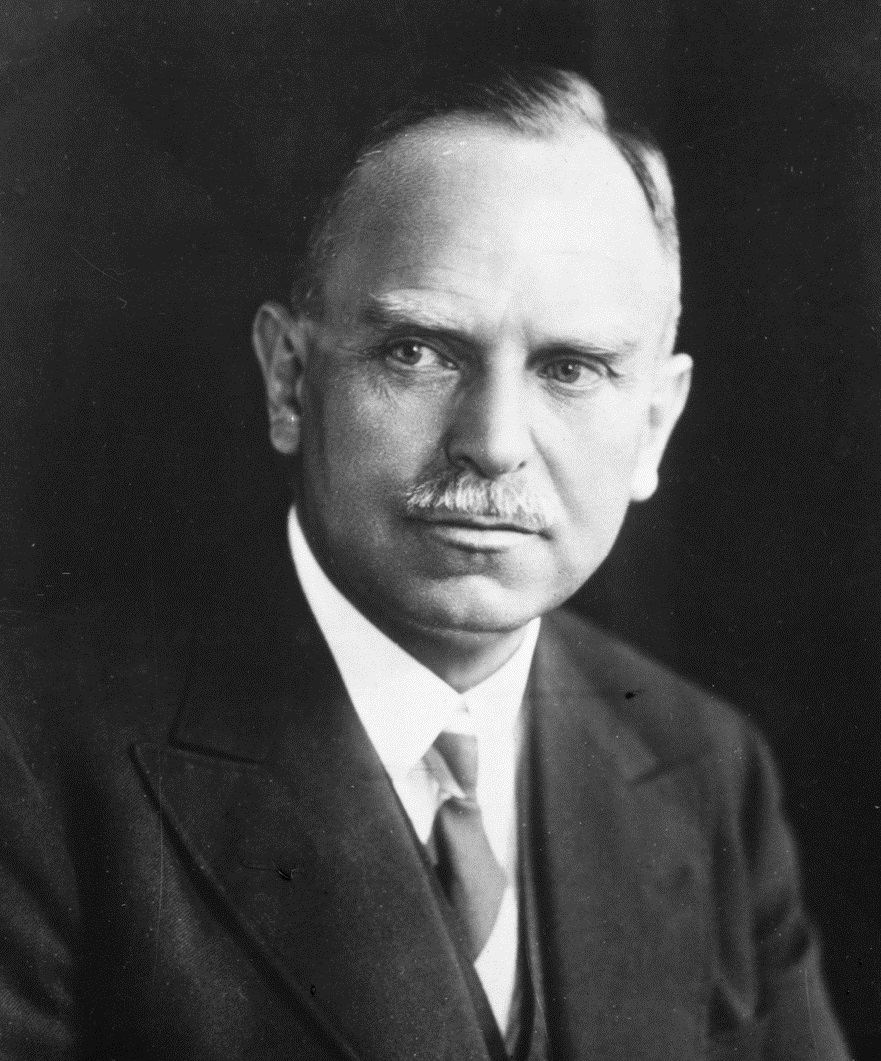
Unlocking the Atom
The discovery of nuclear fission reveals a powerful new source of energy hidden within the atom.
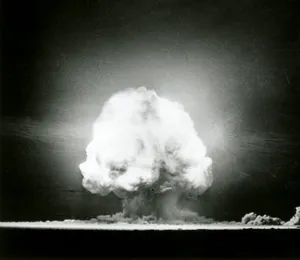
The Trinity Test
The Manhattan Project's first successful nuclear device is detonated on July 16 — the Trinity Test, conducted during the project's 1942–1947 run, and the moment humanity first harnessed nuclear energy directly.
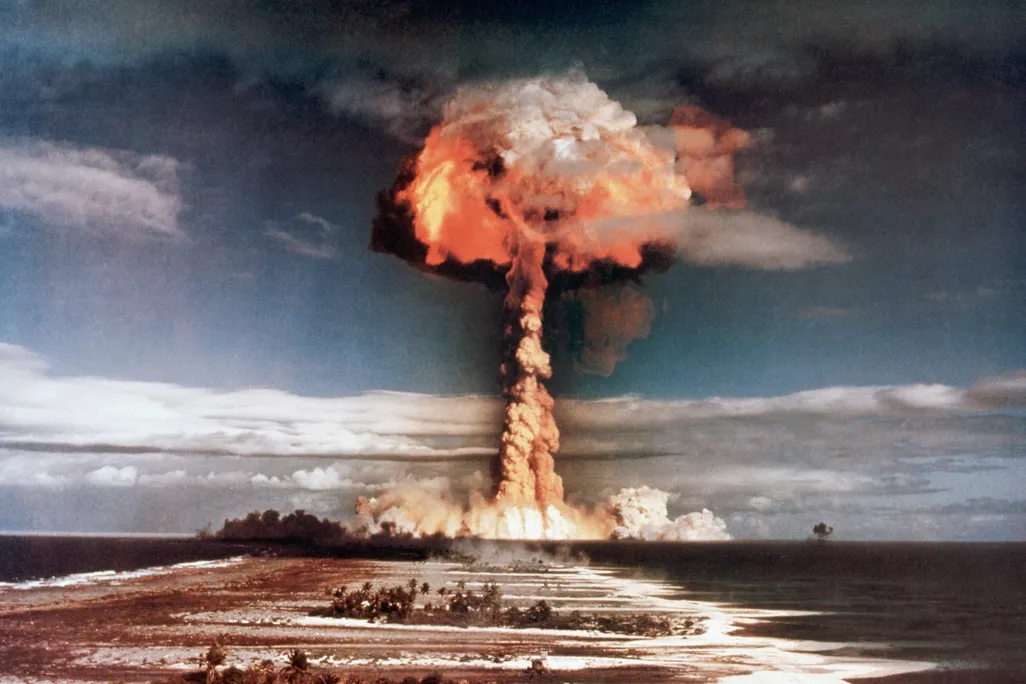
The Atomic Age Begins
Humanity harnesses nuclear energy, forever changing science, technology, and the future of power.
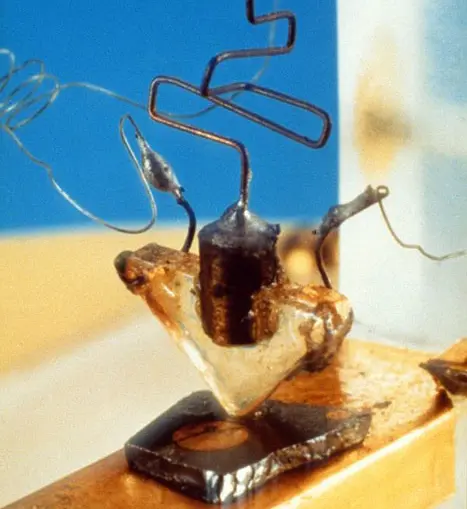
The Transistor Age
The invention of the transistor begins the modern electronics revolution.
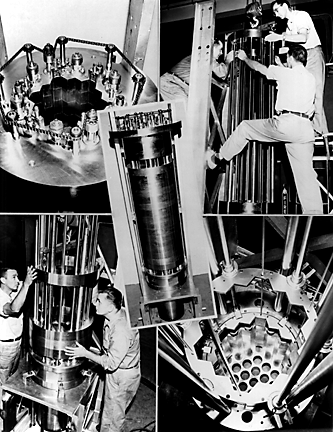
Electricity from the Atom
The first usable electricity is generated from nuclear power, opening a new era of energy production.
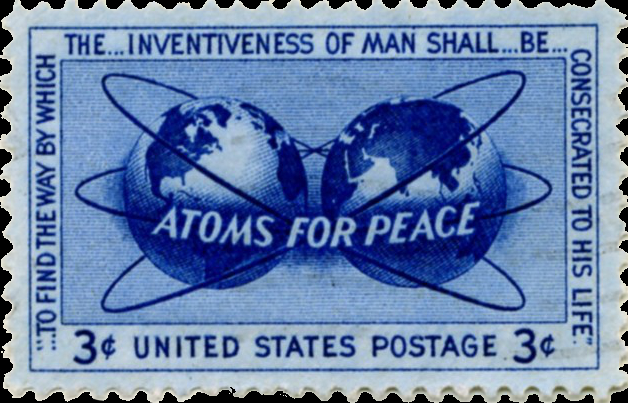
Atoms for Peace
President Eisenhower's Atoms for Peace initiative directs nuclear power toward peaceful use, laying the groundwork for civilian nuclear energy in the years that follow.
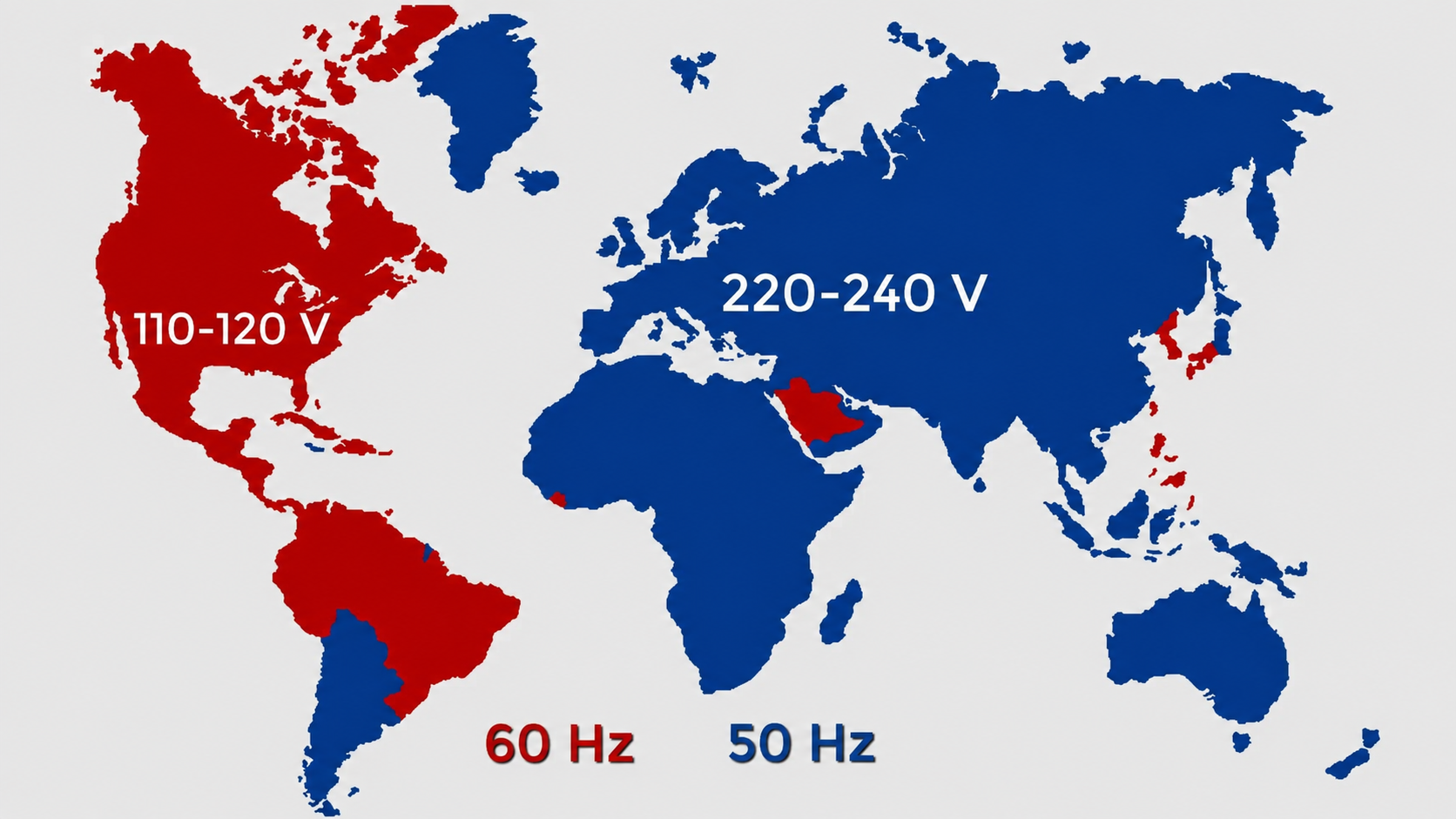
The Modern American Voltage Standard
America's electrical standards mature into the 120/240-volt system used today, refining the foundation first established by Edison's original 110-volt design.
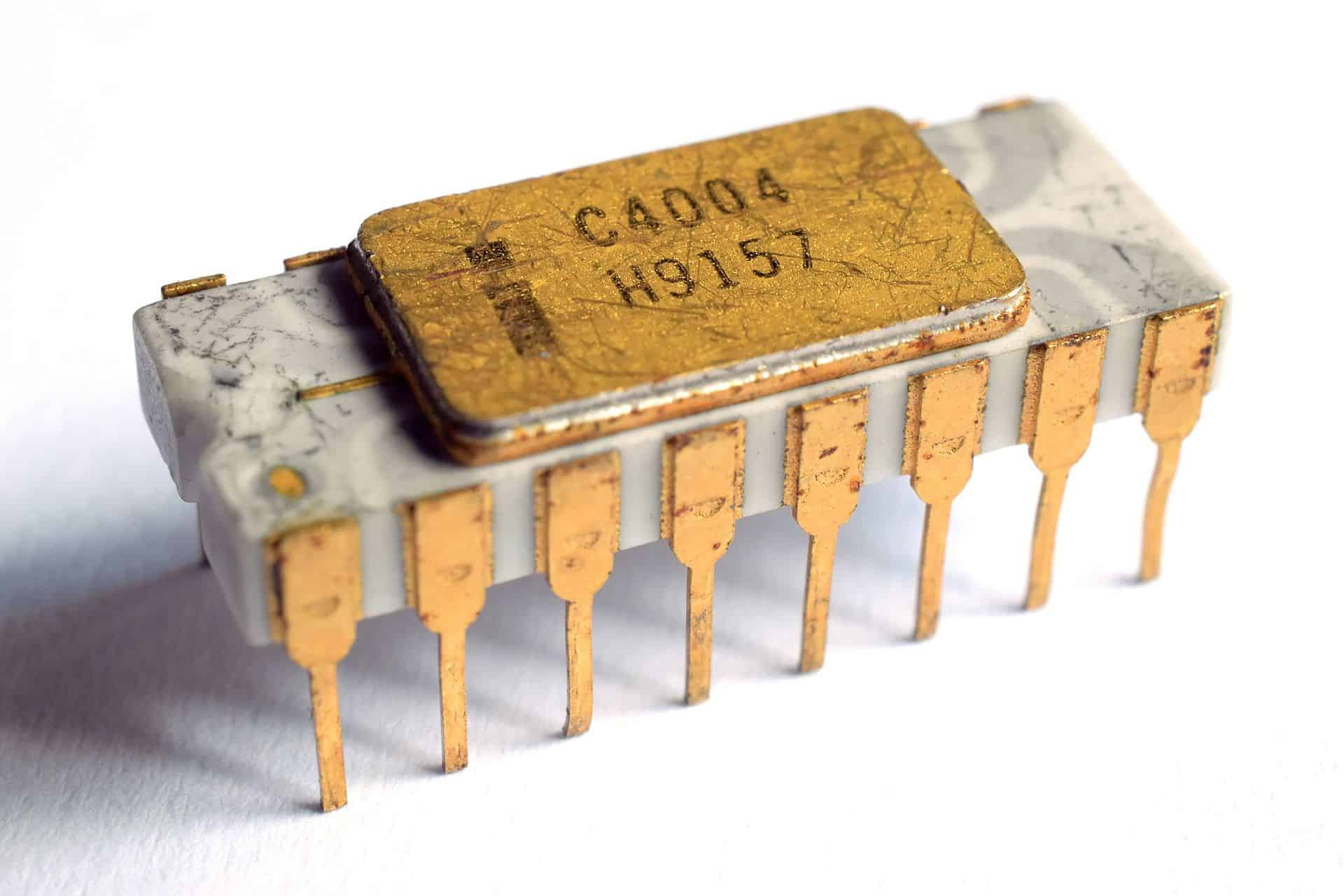
The Digital Revolution
The microprocessor transforms electrical systems through computing, automation, and intelligent controls.
Renewable Energy Expansion
Solar, wind, and battery technologies redefine how electricity is generated and managed.
American Voltage
From the first spark of static electricity to the evolution of America's electrical standard, the pursuit of power has shaped the modern world.
American Voltage continues that legacy — building the electrical systems that power America's homes, businesses, and future.